
What is Casualty Simulation?
Casualty simulation and moulage play a pivotal role in the training and preparedness of military and emergency services.
These realistic simulations, involving the use of mock injuries and lifelike scenarios, provide invaluable benefits that contribute to the effectiveness and efficiency of response teams. From enhancing medical skills to improving communication and decision-making, the advantages are multifaceted and extend beyond traditional training methods.


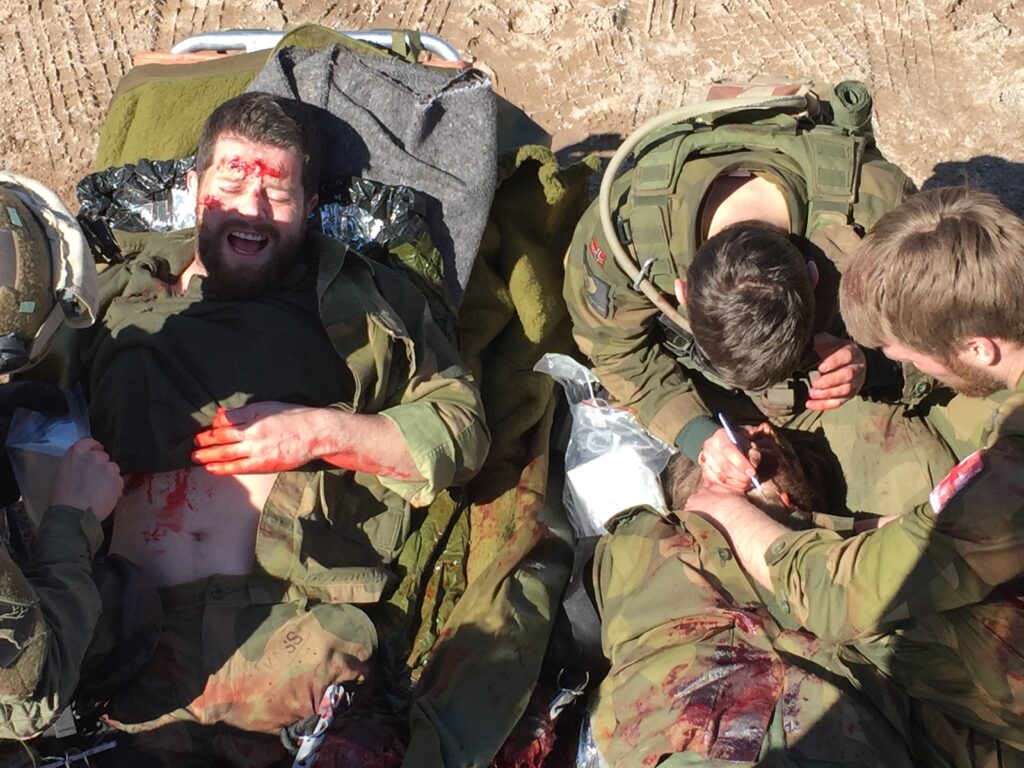
One of the primary benefits of casualty simulation is the opportunity it provides for hands-on medical training. Realistic moulage, the art of creating lifelike wounds and injuries, allows medical personnel to practice assessing and treating injuries in a controlled environment. This type of experiential learning is crucial for developing and honing critical medical skills, including triage, wound care, and patient stabilization. By exposing practitioners to scenarios that closely mimic real-life emergencies, casualty simulation prepares them to handle high-stress situations with competence and confidence.
Moreover, casualty simulation contributes significantly to improving communication and coordination among members of military and emergency response teams. In a chaotic and dynamic environment, effective communication is paramount. Simulations create scenarios where teamwork, information sharing, and decision-making are put to the test. By exposing personnel to simulated emergencies, they learn to collaborate seamlessly, ensuring a synchronized and efficient response. This aspect is particularly crucial in the military, where coordinated efforts can make the difference between mission success and failure.
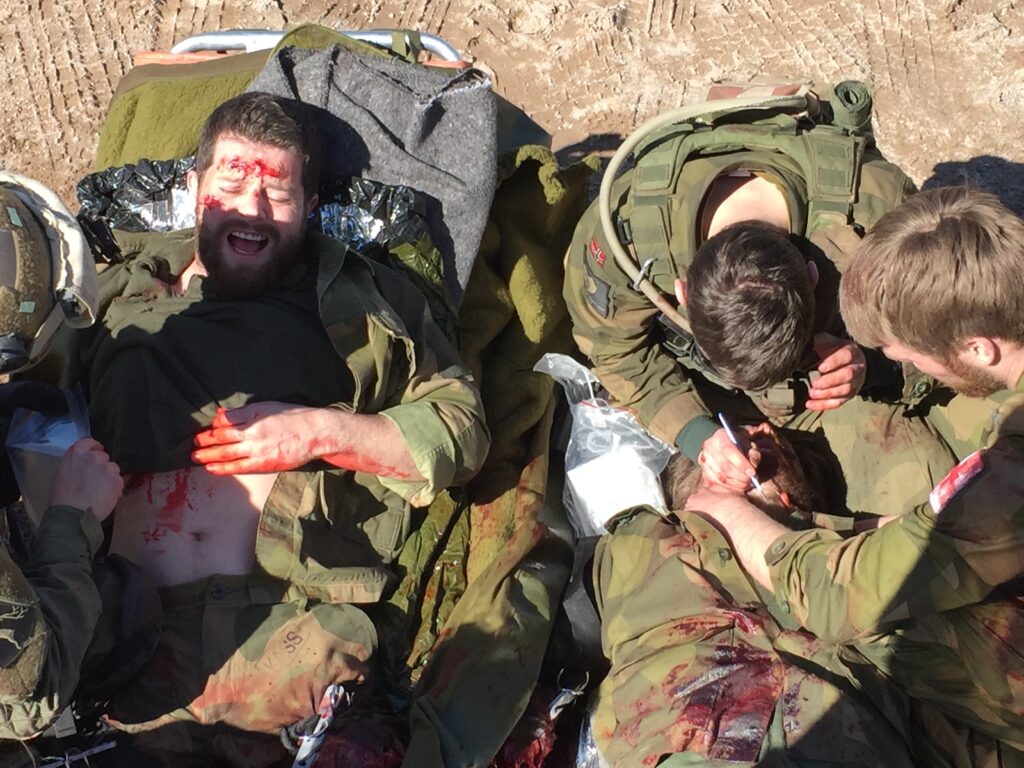
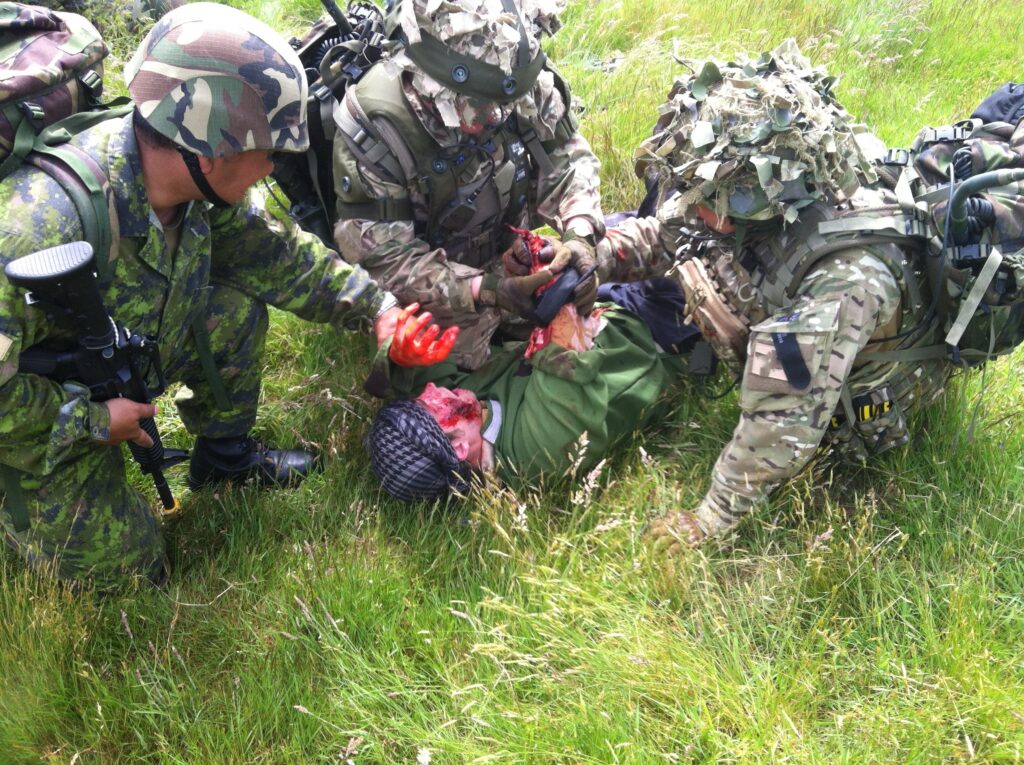

Casualty simulation also aids in evaluating and refining standard operating procedures (SOPs). By conducting realistic simulations, military and emergency services can identify gaps or inefficiencies in their protocols and adjust them accordingly. This iterative process of testing and refining procedures ensures that response teams are equipped with the most effective and up-to-date strategies when facing real emergencies. This adaptability is particularly critical in the face of evolving threats and changing dynamics in the field.
Additionally, casualty simulation serves as a powerful tool for assessing and improving leadership skills. Simulated emergencies provide leaders with opportunities to make critical decisions under pressure, honing their ability to prioritize tasks, allocate resources, and guide their teams effectively. This aspect is especially pertinent in military settings, where effective leadership can be the linchpin of mission success.
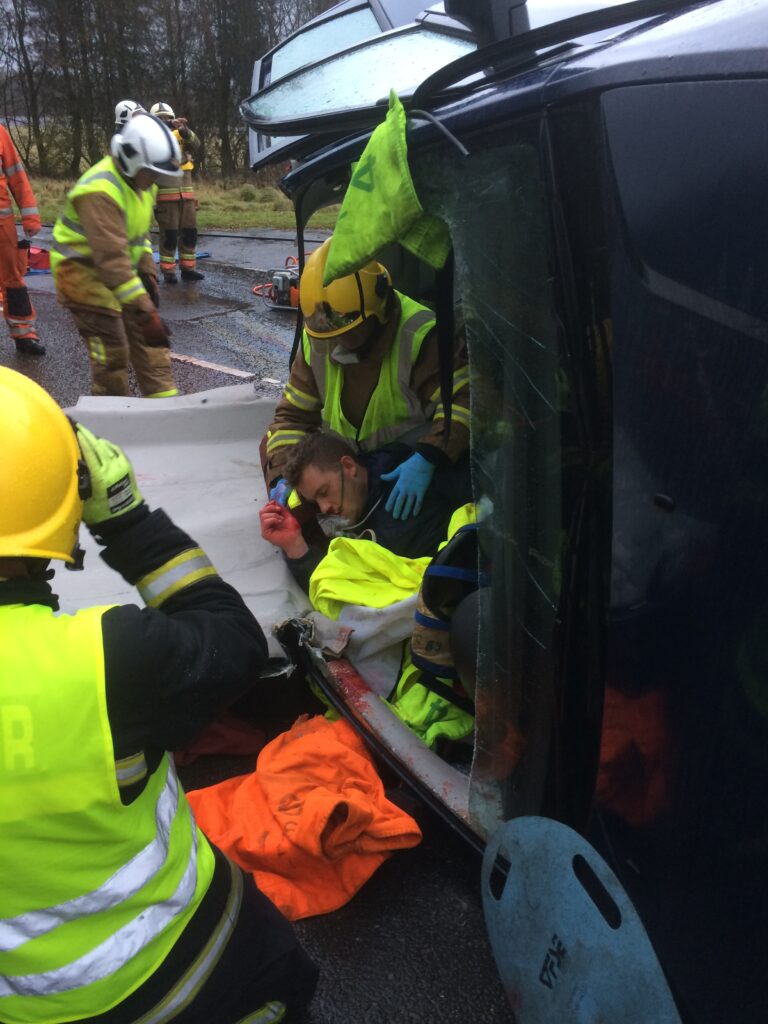


In conclusion, casualty simulation and moulage offer a myriad of benefits to military and emergency services. From enhancing medical proficiency and fostering teamwork to preparing individuals for the psychological challenges of real emergencies, these simulations play a pivotal role in ensuring that response teams are well-prepared, adaptable, and capable of delivering effective care in the most demanding situations. As technology and techniques continue to advance, casualty simulation will remain a cornerstone of comprehensive training programs for military and emergency service personnel worldwide.